
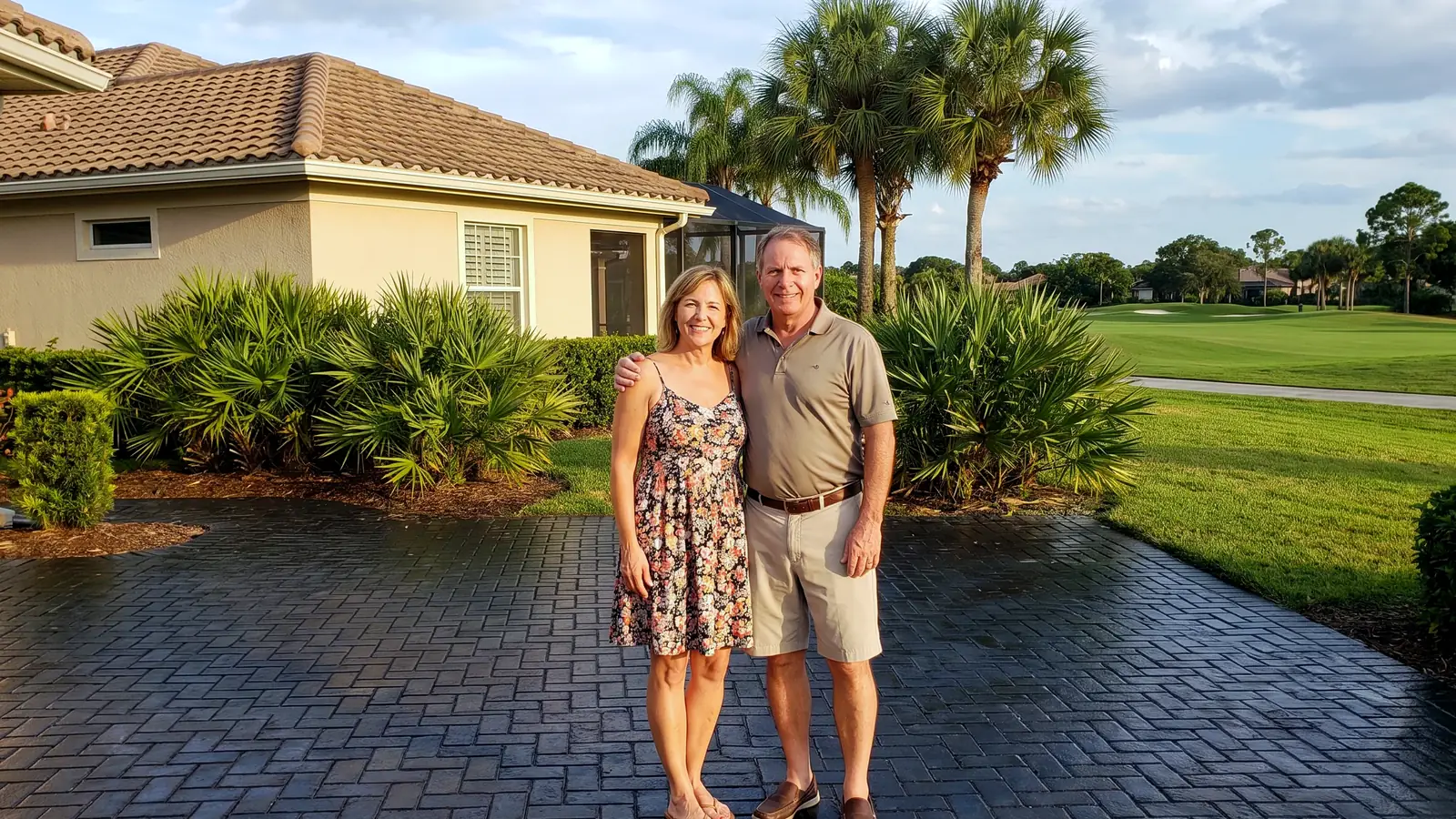
Paver sealing for Keystone homes
Paver Sealing in Keystone, FL
Paver sealing around Keystone's spring-fed lakes: get a free estimate from a local contractor, or call (727) 263-4856.
- Brings out deeper paver color
- Fresh joint sand helps lock pavers in place
- Gives weeds less room to grow
- Makes the surface easier to keep clean
- Free estimate, no obligation
Request a Free Estimate
Free, no obligation.
Fast, careful paver sealing in Keystone
Paver sealing is available across Keystone, from the lake streets near Keystone Park to the homes along Gunn Highway. Keystone homeowners can ask a local contractor to wash, re-sand and seal a driveway, patio or pool deck, and the first look is free. Use get a free estimate to send a request, and Keystone replies land within 1 business day, usually much sooner.
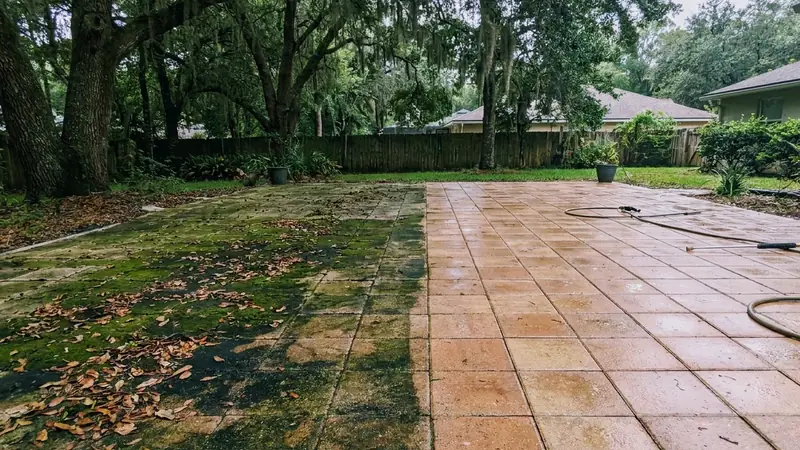
Picture a driveway that has gone dull and gray, with green creeping in at the edges and weeds in the joints. After a wash, fresh sand and a new coat, the color comes back and the joints look tight again. To describe what you see on your pavers, call (727) 263-4856 and ask your questions.
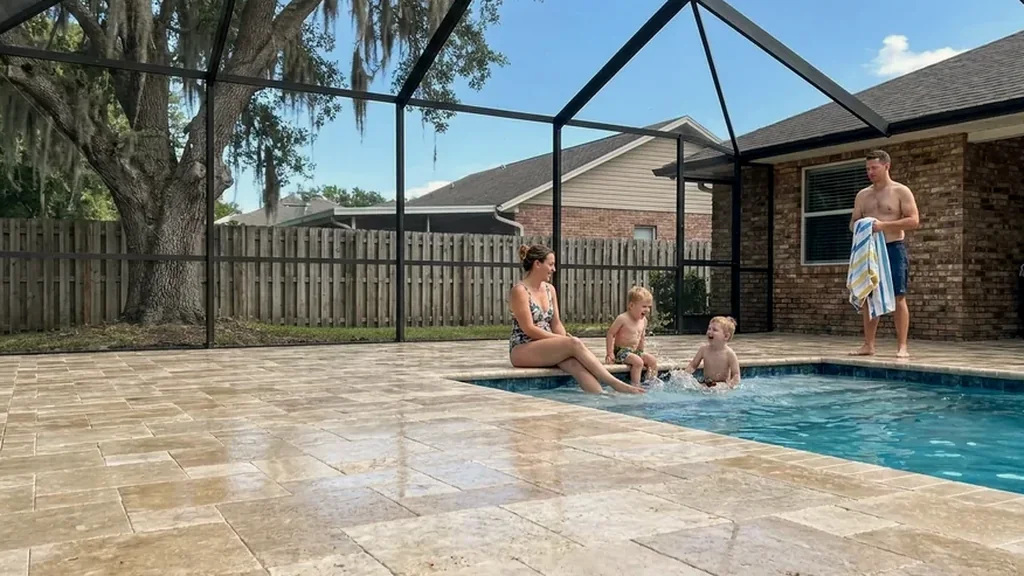
Why hire a local paver sealing contractor in Keystone?
Keystone homeowners tend to hire locally because lake moisture, sandy ground and long summer storms all change how a paver job should go. To hear how that fits your lot, get a free estimate.
Lake country, local plan
Spring-fed lakes and shade change how fast pavers dry, and a local contractor builds that into your date.
Look before you pay
Someone walks your drive, patio or pool deck and names a price. You say yes or no afterward.
Matte or wet look
Matte suits lake and ranch homes quietly. A wet look gives deeper color but scuffs sooner.
A range to check bids
Published prices around Tampa Bay run $1.25 to $2.50 per square foot, a fair test for any Keystone bid.
Get Your Free Estimate in Keystone
Tell us about your pavers in Keystone.
Free, no obligation
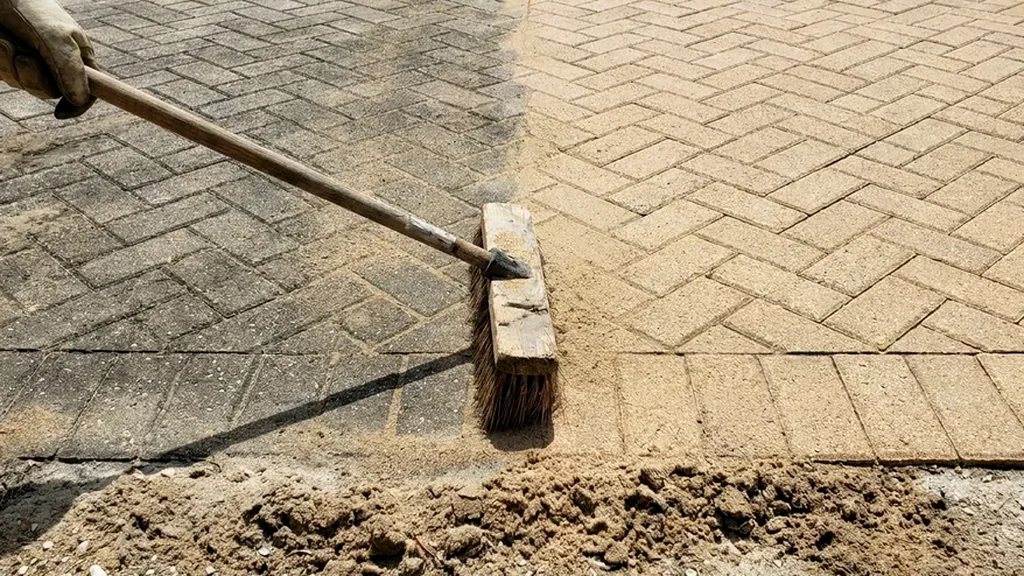
What paver problems show up most in Keystone?
Damp edges near the lakes
The Keystone Civic Association says most lakes in this area are spring fed, and its lake map lists about 56 named lakes across 36 square miles. The Census Bureau counts 4.0 of Keystone's 39.2 square miles as water. Pavers near that much water stay damp after rain, and moss and algae take hold only where shade is heavy and the surface stays wet. A shaded lakeside walk is where green shows up first, and the low corners of that walk are worth a look. The association's goal is to protect the lakes, their fish and otters, and their clean water, which is one reason rinse water here is kept off lake edges. Keystone Lake alone holds about 1.51 billion gallons, so a lot beside it sits in damper air than one on a dry rise. Lake Alice, Lake Helen, Crum Lake, Echo Lake and Sunset Lake are named on the civic association's list. Open water shows up in many parts of Keystone. Keystone Lake averages 11 feet deep and reaches 24, which gives you a sense of how much water sits beside some homes.
Sand that moves with the storms
Florida's state soil, Myakka fine sand, is sand about 80 inches deep, and water moves through it fast. Its water table can sit within 10 inches of the surface for one to five months. Add the afternoon storms that sea breezes help set off from late May on, and joint sand thins quickly. Open joints widen and weeds find a start, so fresh sand and sealer are how the joints stay tight. Sealing the joints after refilling them is what holds that sand against the next rain. Keystone's northern edge meets Trinity and Odessa in Pasco County, and its southern edge meets Westchase, so the same wet summers cover all of them. When joints thin out, pavers can shift, and shifting pavers leave low spots where water collects after every storm.
Oak stains on lots with older trees
According to one Tampa Bay paver company, tannin from live oak leaves and acorns soaks into pavers that have no sealer or too little. Keystone grew from citrus and farm land into a lake and ranch community, and a mature tree on a lot is easy to find. If yours shades the drive, brown blotches are likely tannin. Leaves that stay wet leave the darkest marks, and the stain has to come off before sealing. Brown stains that return soon after a wash usually mean the pavers have no sealer to resist them. The 2020 census counted 8,699 households here, and about 41 percent had children at home, so drives see bikes, balls and busy weekday traffic. A drive that sees that much use shows its stains and scuffs sooner than a quiet courtyard.
Rust lines from sprinklers
UF extension notes that iron is common in Florida well water, and orange streaks on buildings often trace back to irrigating with it. If your Keystone yard irrigates from a well, check for rust lines where the spray reaches the pavers. Hard-water spots can look white instead of orange, and both come off in the wash. Sealer would lock either kind in, so the stain is removed first. Turning spray heads away from the pavers helps keep new rust marks from forming. Your county Extension office can point you to an iron test.
Old sealer of unknown type
Keystone homes range from newer subdivisions to older lake houses, so sealer age varies from street to street. A previous owner may have used a product nobody remembers, and water-based sealer cannot go over solvent-based sealer. A peeling or patchy coat is the clue. The contractor works out what is on the surface before choosing what goes on next, and an old receipt can save guesswork. Keystone's mix of subdivisions and lake houses means no single answer fits every street, which is why the contractor checks first. A small test spot can show how the old coat behaves before any product is chosen.
What should Keystone homeowners know before sealing pavers?
Start with the water, since Keystone is a lake community in the northwest corner of Hillsborough County. Lake Keystone, Lake Alice, Lake Helen, Crum Lake and Echo Lake are on the civic association's lake list, and 434-acre Keystone Lake sits among homes. If your pavers sit within sight of one of them, tell the contractor when you get a free estimate. The contractor can then plan for damp mornings and slow drying.
Keystone borders Cheval and Northdale on the east, Westchase on the south and Trinity and Odessa on the north. That mix means homes here run from newer subdivisions to older lake houses on bigger parcels. Call (727) 263-4856 and say roughly when your home was built, since the age of the pavers changes the cleaning plan. Older pavers may hold more stains than a recent install.
Census data counted 9,351 housing units in Keystone, and about 41 percent of households had children at home. Busy driveways with bikes, basketball hoops and daily tires wear faster than quiet courtyards. A 26-acre county park sits on Gunn Highway, which is a handy landmark to mention. If that sounds like your drive, get a free estimate and ask which finish handles scuffs best.
What does paver sealing cost in Keystone?
Keystone quotes track the published Tampa Bay range of $1.25 to $2.50 per square foot for washing, sanding and sealing. Wet lake corners, lost sand and old coats push a job up or down inside it. To see where your own drive falls, get a free estimate.
Total area drives the final figure. A pool deck, a front walk and a long drive add up fast, while a lone entry court stays small. Call (727) 263-4856, and the contractor will go over which of your spaces count toward the total.
| Paved area | Typical example | Clean, sand and seal |
|---|---|---|
| 300 sq ft | Small patio or walkway | $375 to $750 |
| 600 sq ft | Two car driveway | $750 to $1,500 |
| 1,000 sq ft | Large driveway or pool deck | $1,250 to $2,500 |
| 1,500 sq ft | Driveway plus pool deck | $1,875 to $3,750 |
Math based on the $1.25 to $2.50 per square foot that Tampa Bay paver companies publish. Your contractor sets the actual price after seeing the surface. Repairs, leveling and stripping failed sealer are usually extra.
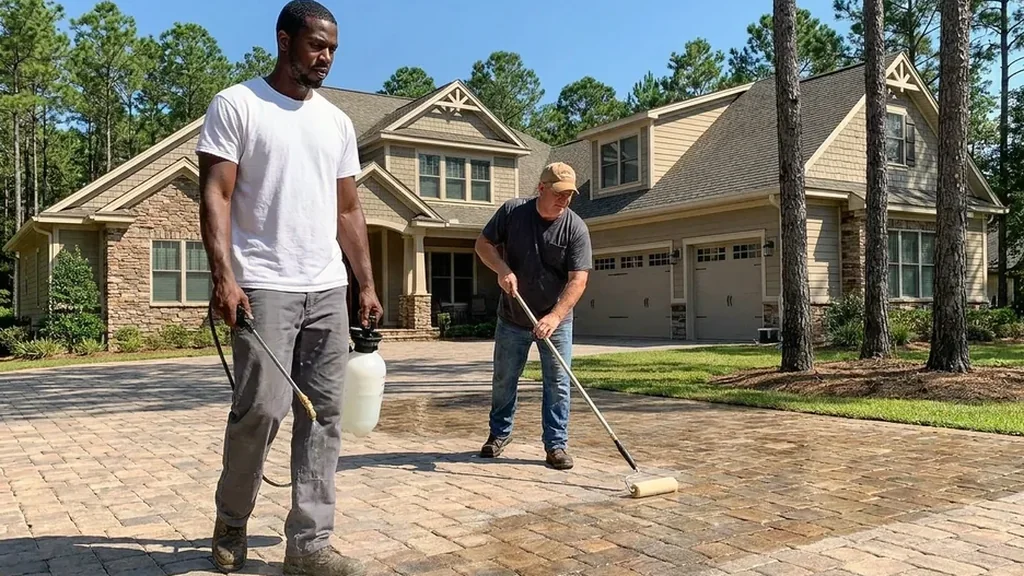
How does a paver sealing job work in Keystone?
Look around first
The contractor walks the lot and notes where lake damp, sprinkler spray and tree drip land on your pavers. Dips and lifted spots are marked for repair, because a coat only preserves them. Any older sealer is identified now. Pictures of a trouble spot make quotes easier to compare. The contractor also notes how the drive faces, since sun and shade change how a surface dries.
Scrub away green, brown and orange
Algae from damp corners, tannin from oak leaves and rust from sprinklers each come off in the wash. Rinse water is aimed away from flower beds and screen cages. Nothing is sealed until the surface is clean, since sealer would trap whatever is left behind. Heavy growth near a lake edge may need a longer soak or a second pass.
Refill every joint
Washing strips out sand, so each joint is refilled and brushed level. Full joints keep weeds out and stop the pavers from shifting. Sandy ground and summer storms empty joints quickly, which is why this step gets care. Sand in a similar shade keeps the joint lines uniform. Extra sand is swept off the top, so nothing loose sits under the coat.
Give the lake air time to dry
Sealer goes only on dry pavers and dry joints. Shade and lake moisture slow that down, and the rainy season runs from May 25 to October 10. The contractor holds off when the surface is damp, because waiting a day or two beats sealing on wet ground. Mid-September through early October brings more rainfall variability, so late-season dates need a little flexibility.
Coat it and write down the product
The finish goes on last, matte or wet look. Wet look shows scuffs sooner, so think about how the drive gets used. Quoted spans between coats run two to five years around Tampa Bay. The contractor can record what was used, which makes the next coat easier to match. Lake and tree conditions can shorten a coat, so ask when the contractor suggests a recheck.
Complete paver services in Keystone
Driveways in Keystone take tires and storm runoff, so they collect grime and lose sand along the low edge. The contractor cleans the whole surface, tops up the joints and coats it once it is dry. A drive is often the first thing on the schedule. Call (727) 263-4856 to ask how long yours would take.
Pool decks and lanais near the lakes stay damp longer, and algae likes that. They get a longer rinse and a closer look at the joints before any coat. Ask the contractor which finish suits a deck that gets wet often. Tell the contractor about your deck when you get a free estimate.
Two choices decide the sealer: water-based or solvent-based, then matte or wet look. The two types do not mix, so an old coat limits what can go on next. Lake-house settings often suit the quiet matte look. Call (727) 263-4856 to talk through the options for your home.
Your Keystone date follows the weather. The rainy season runs May 25 to October 10, and sealer needs dry pavers, so a wet week means a later day. Shaded patios by a lake can need extra drying time. To get on the calendar, get a free estimate.
Questions to ask before you hire
- Is the price the same if my pattern has tight corners and a lot of curves?
- Do you clean the stained concrete apron beside the pavers or only the pavers themselves?
- Who do I call the next morning if one spot looks uneven?
- Will the pavers under my oak tree get the same treatment as the sunny ones?
- What happens to the weeds in the joints before the new sand goes in?
- Will you work in a gated community, and do you need the gate code ahead of time?
- Will you put the measurements of each area in writing so I can see how the price was figured?
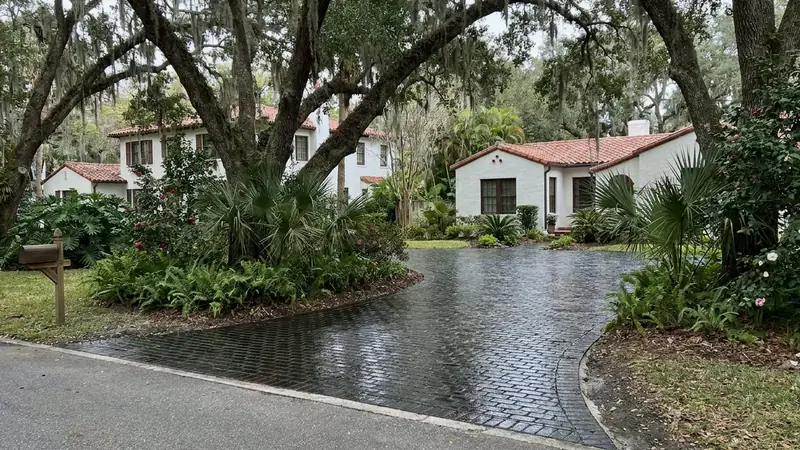
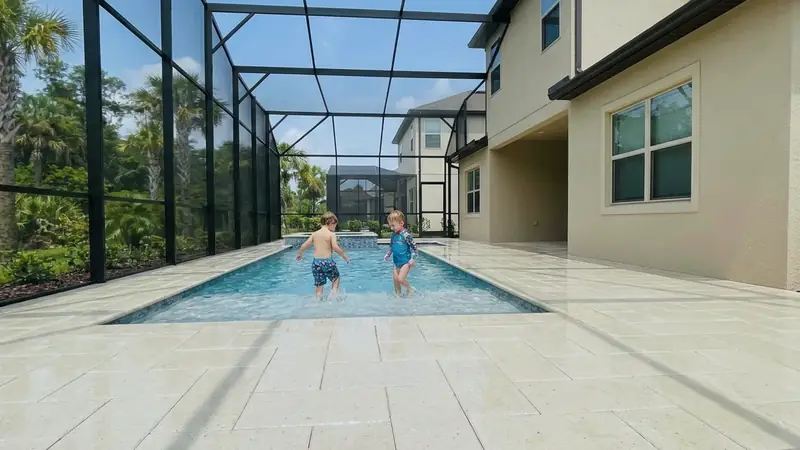
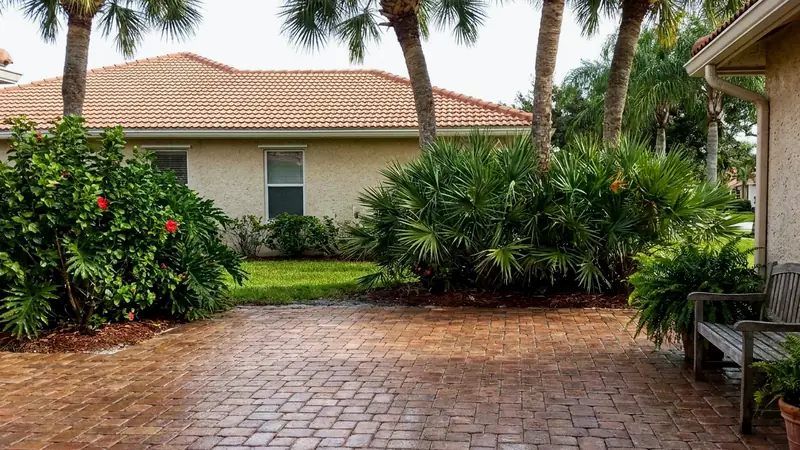
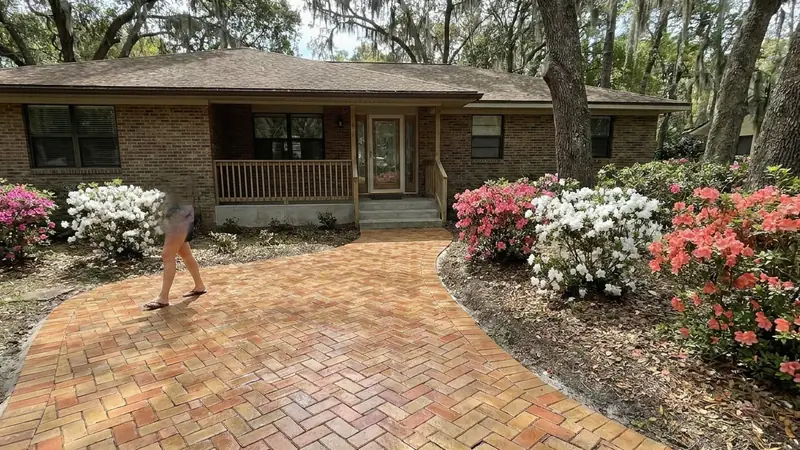
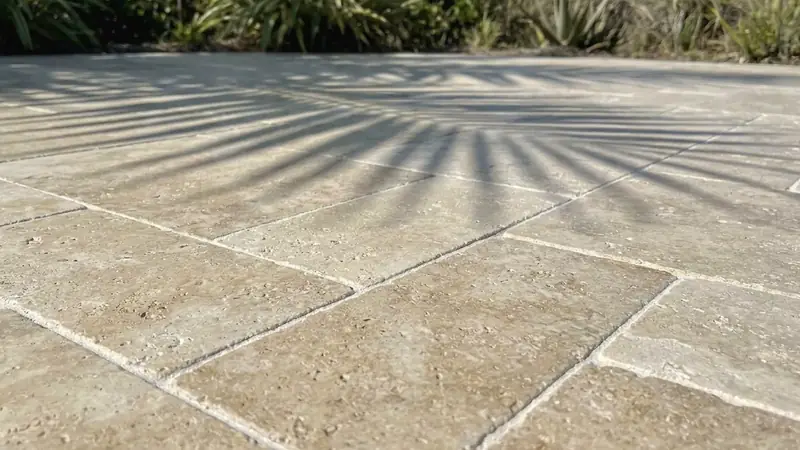
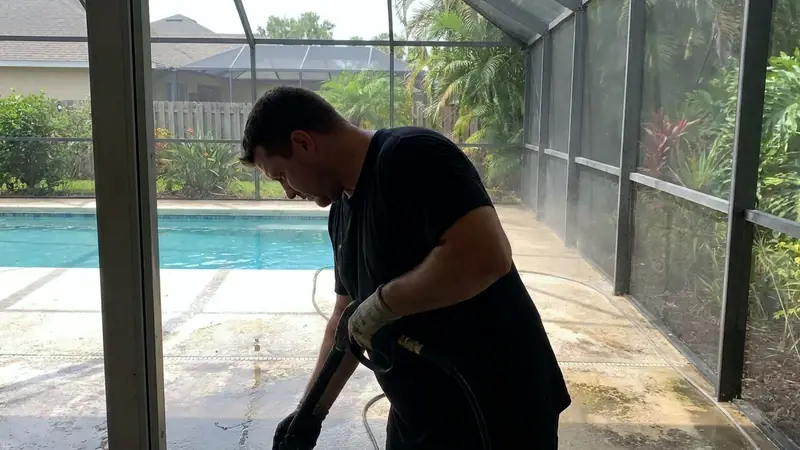
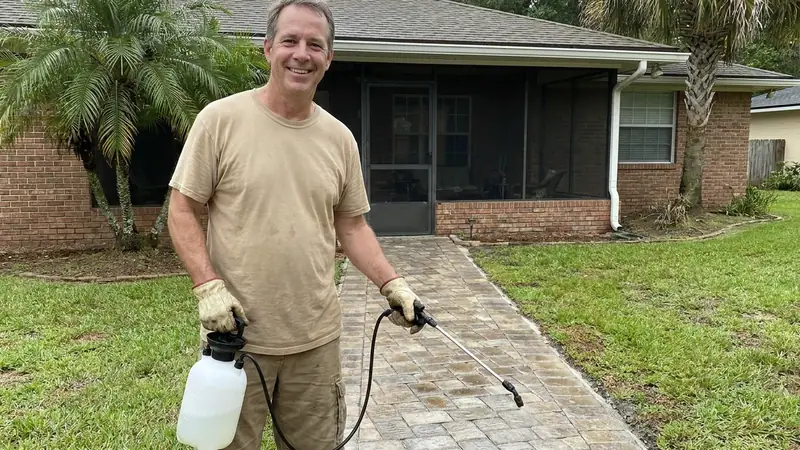
What do sealed pavers look like around Keystone?
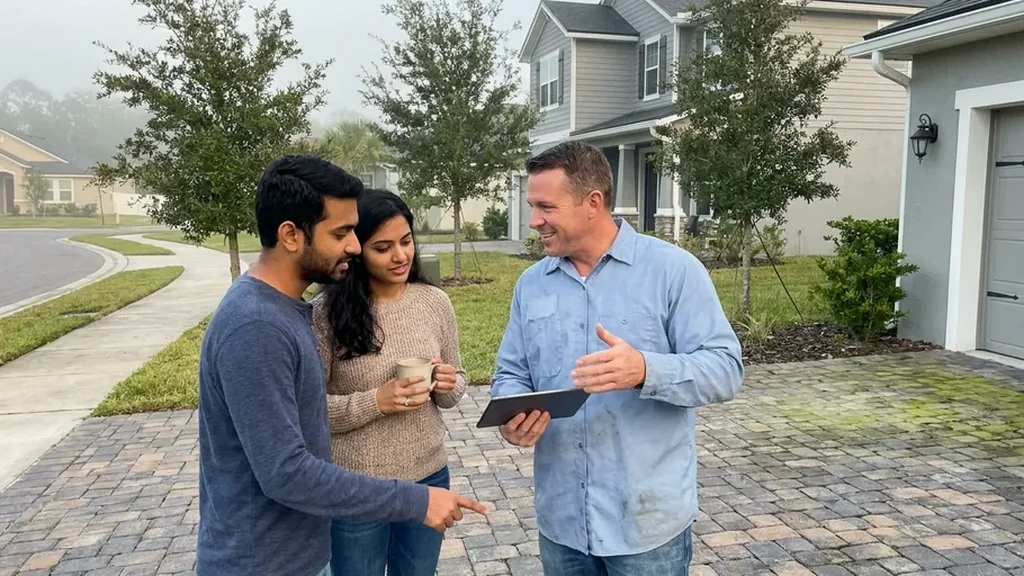
Why local matters in Keystone
A contractor who works Keystone knows that lake water and tree cover change drying times from one street to the next. That knowledge decides when to start and how much washing the job needs. Someone who works only on open suburban lots may not think to ask. Call (727) 263-4856 to ask for a contractor who already works the lake roads and the Gunn Highway side of Keystone.
Local knowledge helps with the layout too. Keystone sits 22 miles northwest of downtown Tampa and mixes lake houses, ranch properties and newer homes, and each has different paving. A longer drive on a bigger parcel is a different job than a small entry court. You can get a free estimate and mention the age of your home and how much paving you have.
Neighbors count as well. The Keystone Civic Association has run since the 1930s, and residents here care about keeping the lakes clean. A contractor who knows that keeps rinse water out of storm drains and away from lake edges. If that matters to you, get a free estimate and raise it at the first visit.
Does it help to hire a contractor who knows Keystone's lake country?
Yes, because Keystone began with settlers like the W.M. Mobley family in the middle 1800s and grew from citrus and farming into a lake and ranch community. The civic association that started in the 1930s as the Odessa Lake Region Civic Association still looks after the lakes, and early meetings were held at the Lake Fern School. If you live near Lutz Lake Fern Road and Gunn Highway and your pavers need attention, get a free estimate.
In 1958 neighbors and the county built the community building at what is now Keystone Park, a 26-acre county park. Keystone Lake, at 434 acres, is private, while many other lakes nearby are spring fed and long established. A contractor who knows these places can plan around the water and the shade. If one of those places is close to home, call (727) 263-4856 and give your street name.
Frequently Asked Questions
How much does paver sealing cost in Keystone?
Tampa Bay companies quote $1.25 to $2.50 per square foot to clean, sand and seal, and a Keystone job usually lands in that band. Lake damp, green growth, thin joint sand and old sealer move it up or down. Ask for the measured area in writing, so the total makes sense. Setup effort is the same on any job, so a bigger layout costs less per square foot. Pool decks, entry walks and a long drive are all added to one measured total.
What are the downsides of sealing pavers in Keystone?
The downsides are upkeep and timing. Sealer wears and needs a new coat later, and a wet look shows scuffs before matte does. It also needs dry pavers, so a lakeside lot that dries slowly can push your date back. Those are small tradeoffs next to letting stains and weeds spread. Lake lots can need an extra drying day or two after a wet week.
Is it better to spray or roll paver sealer?
Many contractors do both: spray the sealer on, then roll it so it reaches into the joints. Spraying covers a wide area evenly, and rolling works the product down. Ask which method your Keystone drive will get, and why.
How often does a Keystone paver patio need resealing?
Around Tampa Bay, quoted gaps between coats run two to five years. A Keystone drive in full sun with daily tires sits toward the short end, and a covered patio lasts longer. Heavy shade and lake moisture are reasons to look early. A contractor can see how worn your coat is and tell you how much life remains. Pavers beside Keystone Lake, in damp air, are worth a look sooner than a dry-lot drive.
Does sealing keep weeds and ants out of my Keystone pavers?
Yes, it helps. Sealing stabilizes the joint sand that weeds and ants move into, after the contractor cleans and refills the joints. On sandy Keystone ground the joints still lose sand over time, so check them each spring.
Will sealing remove oak stains and green growth in Keystone?
The wash removes them, and the sealer goes on afterward. Tannin from live oaks, algae from damp shade and rust from sprinklers all come off before any coat. A sealed surface helps keep new stains from soaking in, though heavy shade still needs a recheck. Rust lines from sprinklers are handled in the same wash.
What time of year is right to seal pavers in Keystone?
Pick a run of dry days, since sealer cannot go over wet pavers. West Central Florida's rainy season runs from May 25 to October 10, so dry spells outside it are easier to find. The contractor can slide the date when the forecast turns, and lake moisture can stretch the wait after rain. The strongest storms come in late May and June, and July through early September is the peak.
Can new sealer go over old sealer on my Keystone pavers?
Not always. A water-based sealer cannot go over a solvent-based one, so the contractor first finds out which product is already there. An old receipt or a product name from a past owner can settle it fast. Peeling or cloudy spots suggest the earlier coat needs attention first. A small patch shows how the old coat behaves before a product is chosen.
Nearby areas we serve
Ready for a Free Estimate in Keystone?
Call (727) 263-4856 and tell us about your pavers.
Free, no obligation